TDE Services & Expertise

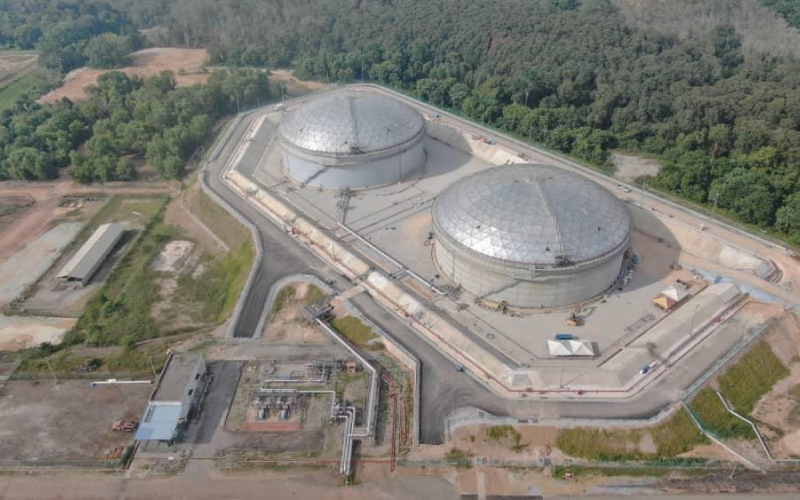
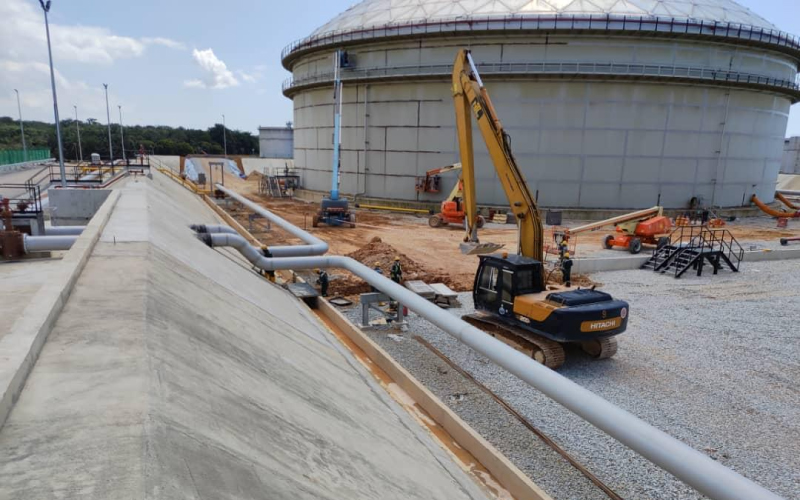
Above Ground Atmospheric Storage Tank (AST) Maintenance, Repair, Alteration & Reconstruction

We specialize in comprehensive repair solutions for atmospheric above-ground storage tanks, covering both minor/major and critical scopes of work. Our expertise ensures compliance with API 653 standards and industry best practices, delivering safe, efficient, and cost-effective repairs, reduced downtime by having an efficient planning minimizes operational interruptions. Enhanced reliability with quality workmanship will improves asset performance. Extended service life by having a preventive strategies and expert repairs prolong equipment lifespan.

Shell Repairs

1

Patch Plate Repair

  • Installing a plate over a localized corroded or damaged area.
  • Requires cutting out the defective section and welding a new plate.
2

Insert Plate Repair

  • Removing a section of the shell and replacing it with a new plate.
  • Used for severe corrosion or cracks.
3

Crack Repair

  • Grinding out cracks and welding with proper procedures.
  • Often combined with NDT (e.g., dye penetrant or ultrasonic testing).

Bottom Plate Repairs

1

Bottom Plate Replacement

  • Full or partial replacement of corroded bottom plates.
  • Includes sandblasting and installing new plates with seal welds.
2

Annular Plate Replacement

  • Replacement of the outer ring plates near the shell, which often suffer from corrosion.
3

Leak Sealing

  • Temporary or permanent sealing of leaks using welding or sealant compounds.

Roof Repairs

1

Roof Plate Replacement

  • For fixed roofs with corrosion or holes.
2

Floating Roof Seal Repair

  • Replacement of primary and secondary seals to prevent vapor loss.
3

Pontoon Repairs

  • Fixing leaks in floating roof pontoons to maintain buoyancy.

Nozzle & Fitting Repairs

1

Nozzle Replacement or Reinforcement

  • For damaged or corroded nozzles and manways.
2

Gasket & Flange Repairs

  • Replacing gaskets, bolts, and ensuring proper sealing.

Foundation & Support Repairs

1

Chime Area Repair

  • Addressing corrosion at the shell-to-bottom junction.
2

Foundation Settlement Correction

  • Grouting or rebuilding foundations to restore tank levelness.

Internal Lining & Coating Repairs

1

Re-coating

  • Applying new protective coatings to prevent corrosion.
2

Lining Repair

  • For tanks storing aggressive chemicals, repairing damaged linings (e.g., rubber, epoxy).

Weld Repairs

1

Defect Removal & Re-welding

  • Grinding out defective welds and re-welding per approved WPS.
2

Overlay Welding

  • Adding weld metal to restore thickness in corroded areas.

Safety & Compliance Repairs

1

Installation of New Safety Devices

  • Adding flame arrestors, vents, or emergency drains.
2

API 653 Compliance Repairs

  • Repairs mandated by inspection standards for tank integrity.

Tank Jacking — Synchronize Jacking Method

Tank jacking involves lifting the entire tank shell and roof using hydraulic jacks placed around the circumference. This allows access to the bottom plates and foundation repair work.

Synchronized Method Overview

The synchronized method ensures all jacks operate in unison, maintaining the tank’s level and structural integrity during lifting. This is critical because uneven lifting can cause shell distortion or structural failure.

Key Steps in Synchronized Tank Jacking

1

Preparation

  • Survey & Planning: Measure tank dimensions, weight, and centre of gravity.
  • Jack Placement: Position hydraulic jacks at equal intervals around the tank perimeter.
  • Load Calculation: Determine jack capacity and total lifting force required.
  • Safety Setup: Install temporary supports and emergency stop systems.
2

System Setup

  • Hydraulic Jacking System: Connect all jacks to a central control panel.
  • Synchronization Control: Use a PLC or electronic system to monitor and control jack movement.
  • Sensors & Feedback: Install displacement sensors to track lifting height at each point.
3

Lifting Process

  • Incremental Lifting: Raise the tank in small increments (e.g., 50–100 mm per cycle).
  • Level Monitoring: Continuously check tank level.
  • Adjustments: Automatically or manually correct any uneven lifting detected by sensors.
4

Maintenance Work

  • Once lifted to the required height:
    • Replace bottom plates or annular rings.
    • Repair foundation or install new pads.
    • Perform inspections and corrosion protection.

Advantages of Synchronized Method

Safety

Prevents uneven lifting and structural damage.

Precision

Maintains tank geometry.

Efficiency

Reduces downtime compared to manual or unsynchronized lifting.

Project Photos

AST Maintenance Project 1
AST Maintenance Project 2
AST Maintenance Project 3
AST Maintenance Project 4
AST Maintenance Project 5
AST Maintenance Project 6

Get In Touch

Count on us for dependable solutions that meet the highest industry standards.
Talk to Our Team — We're Ready When You Are.